
Who we are
Cognitive support designed by the people who understand it
Recallify was founded by a clinical neuropsychologist and an AI engineer. It gives people living with cognitive differences practical, accessible tools to capture, organise and recall the information that matters to them.
- 1 in 3 people worldwide are affected by neurological conditions WHO, 2024
- 1 in 7 live with neurodevelopmental conditions including ADHD and dyslexia PMC research
- $295bn annual income lost globally from neurological conditions alone Neurology journal
How we started
Our story
Recallify began with a simple observation: millions of people living with cognitive difficulties lack accessible, modern tools to support them in daily life. Conditions affecting attention, memory and planning disrupt participation at work, in education and at home, and the technology available had not kept pace with the need.
Dr Sarah Rudebeck, a clinical neuropsychologist with fifteen years in the NHS and private practice, and Dr Berkan Sesen, an AI engineer and former academic in clinical decision support, co-founded Recallify to close that gap. Recallify draws on evidence-based approaches from cognitive neuroscience and neuropsychology, and is designed with the people who use it.
What began as an app for individuals has grown into a platform. Universities, schools and charities now license Recallify for the people they support, with onboarding and materials for their staff and a reporting dashboard for the service; people at work can have it funded through Access to Work, eligible students can be recommended Recallify AT software through SFE DSA, and individuals still subscribe directly. Recallify is being evaluated in an NIHR-funded feasibility study in acquired brain injury, and a classroom version for pupils with special educational needs is being built with an Innovate UK Women in Innovation Award.
What we are for
Vision and mission
-
Vision
Independence, confidence and full participation in life
To enable people with cognitive differences to live more independently, confidently and fully, whether at work, in education or at home.
-
Mission
AI-powered cognitive support for everyday life
To deliver personalised, clinically informed tools that reduce cognitive load and make memory, planning and learning easier, every day.
Who we are
Meet the team
Recallify is built by clinicians, researchers and engineers who work with people with cognitive differences every day, and advised by senior figures in neuropsychology and rehabilitation.
Founders and team
-
Dr Sarah Rudebeck
Co-founder, clinical
Senior clinical psychologist in paediatric neuropsychology at King's College Hospital, London, and in private practice, with over a decade in NHS neuroscience and neurorehabilitation services. DPhil in memory research from the University of Oxford; clinical psychology training at Royal Holloway, University of London. Winner of an Innovate UK Women in Innovation Award in 2026 for Recallify Classroom.
-
Dr Berkan Sesen
Co-founder, technical and commercial
AI researcher with a DPhil in AI from the University of Oxford, where he built a clinical decision support system for lung cancer, and a decade putting machine learning into production in finance at Citigroup, J.P. Morgan Asset Management and UBS. Leads the technology and the commercial side of Recallify.
-
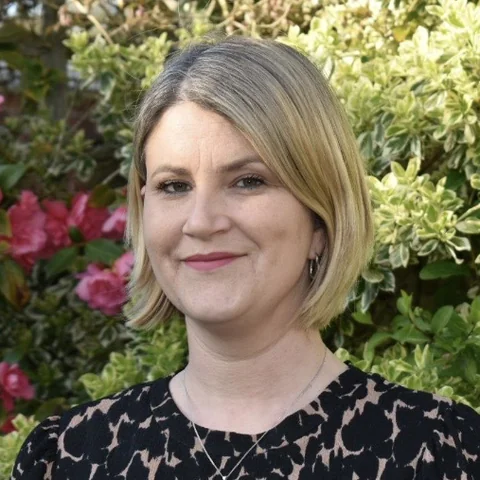
Dr Charlie Roberts
Research and growth associate
PhD from the University of Essex on longitudinal memory research with the long Covid community, and over fifteen years working with people with cognitive differences. Runs Recallify's user research, including the usability and feasibility pilot with people living with long Covid, and the user stories.
-
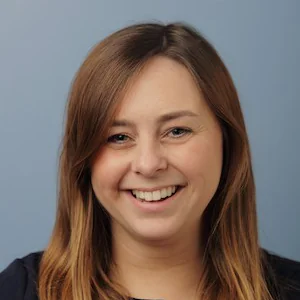
Dr Gemma Costello
Education lead
Consultant educational psychologist specialising in paediatric neuropsychology. Works with Sarah on Recallify Classroom, the version of Recallify for pupils aged 11 to 18 with special educational needs funded by the Innovate UK Women in Innovation Award, and leads Recallify's school pilots.
-
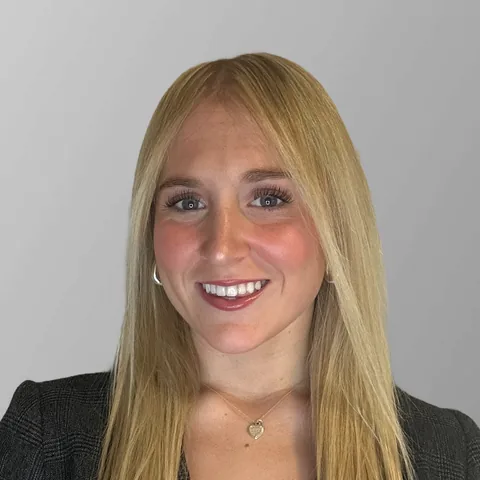
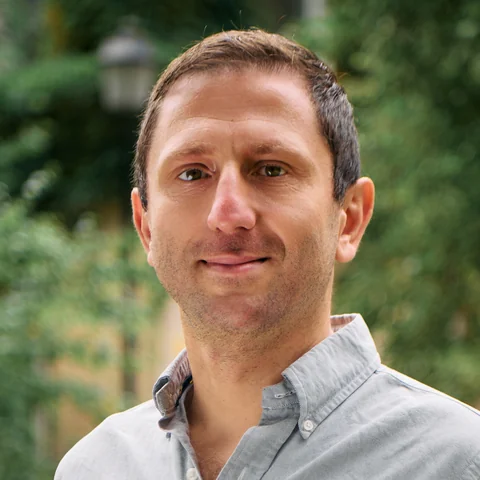
Riley Kern
Social media and content
Social media and business intern, working on Recallify's social accounts and the content that goes out on them. Joined in the summer of 2026.
Advisors
Our advisors review the clinical and scientific basis of what we build and connect the work to research and rehabilitation practice.
-
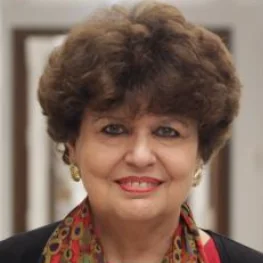
Prof Faraneh Vargha-Khadem
Scientific advisor
Professor of developmental cognitive neuroscience at the UCL Great Ormond Street Institute of Child Health, where she heads the cognitive neuroscience and neuropsychiatry section, and head of clinical neuropsychology at Great Ormond Street Hospital. Fellow of the Academy of Medical Sciences.
-
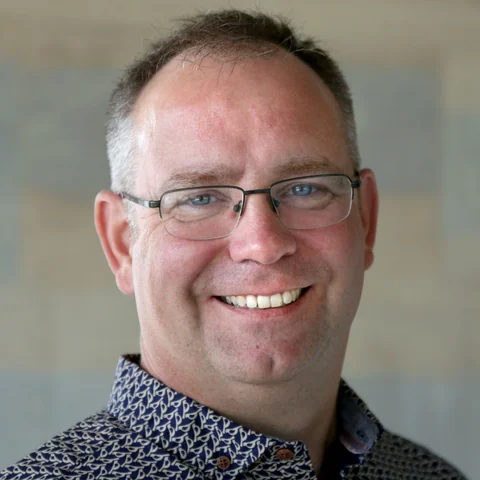
Prof Andrew Bateman
Clinical advisor
Professor in the School of Health and Social Care at the University of Essex and chair of the United Kingdom Acquired Brain Injury Forum. A chartered physiotherapist and neuropsychologist, he led NHS community rehabilitation services including the Oliver Zangwill Centre for Neuropsychological Rehabilitation from 2002 to 2019. The academic partner on Recallify's NIHR feasibility study in brain injury.
Backed by and partnered with

- Innovate UK
Women in Innovation Award 2026 




How it is used
Three ways people use Recallify
People use Recallify differently depending on their goals and routines. Three patterns have emerged from our users, especially those living with ADHD, acquired brain injury, neurological conditions and everyday memory difficulties.
-
Everyday memory support
A reliable place to capture and revisit what matters: conversations, appointments, instructions and daily tasks, turned into clear summaries and reminders.
Memory support -
Task management and daily planning
For people who struggle with task initiation, organisation or follow-through: tasks extracted from what was said, automatic reminders and simple routines.
Task management -
Learning and study support
Lectures and readings summarised, revision prompts and quizzes built on active recall and spaced repetition, for students and adults returning to study.
Learning companion
We also offer free self-assessments, including the GAD-7 and PHQ-9 screeners used in clinical practice. They are screening questionnaires, not diagnoses.
Talk to us
For a demo, a licence for the people you support, or a question about the research, we are at info@recallify.ai.
Frequently asked questions
Who can benefit from Recallify's cognitive support tools?
Recallify supports people with acquired brain injury, stroke, multiple sclerosis, mild cognitive impairment, ADHD, dyslexia, autism, long Covid, and anyone experiencing memory or planning difficulties.
Is Recallify designed for clinical or everyday use?
Both. Recallify is grounded in a clinical understanding of attention, memory and executive function, and built to be simple enough for everyday life: work, study, home routines and rehabilitation.
How does Recallify help with memory and planning?
It transcribes conversations, summarises long content, extracts tasks and creates reminders. This reduces cognitive load and supports memory, organisation and follow-through.
What makes Recallify different from general note-taking apps?
Recallify is purpose-built for cognitive support. It combines AI summaries, task detection, memory recall, quizzes and a searchable history, designed for people with neurological or neurodevelopmental conditions.
Was Recallify developed with clinical expertise?
Yes. Recallify was co-founded by Dr Sarah Rudebeck, a clinical neuropsychologist, and is developed with advisors in neuropsychology, educational psychology, cognition and rehabilitation. It is being evaluated in an NIHR-funded feasibility study in acquired brain injury.
Is Recallify suitable for older adults or people with mild cognitive impairment?
Yes. Recallify simplifies information, reduces cognitive fatigue and supports recall, which helps older adults and people with cognitive decline stay independent.
Does Recallify support neurodiverse learners?
Yes. It helps students with ADHD, dyslexia, dyscalculia and autism by simplifying information, supporting working memory, and creating structure through tasks and reminders.